


Meet the cohort
The FPP aims to develop the future professoriate who can contribute to their disciplines, are intellectually vibrant and more responsive to society’s shifting needs.

Meet the FPP Phase 2 Cohort 1

University of Cape Town

University of Limpopo

University of Johannesburg

University of South Africa

Durban University of Technology
University of Limpopo

Walter Sisulu University

Sefako Makgatho Health Sciences University

Sol Plaatje University

Rhodes University

University of the Free State

University of the Witwatersrand

University of Venda

University of Fort Hare

University of Kwa-Zulu Natal

University of Johannesburg

Mangosuthu University of Technology

Cape Peninsula University of Technology
Stellenbosch University
University Western Cape
Vaal University Technology

University of Johannesburg
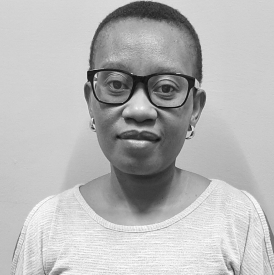
University of KwaZulu Natal
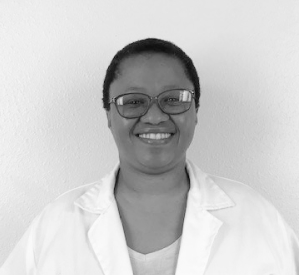
University of the Witwatersrand

Tshwane University of Technology

Central University of Technology

Nelson Mandela University

North-West University
Prof Sabelo Hadebe
University of Cape Town
Prof Sabelo Hadebe completed his PhD at the University of Aberdeen (UK) (2014) in Immunobiology. His first Postdoctoral training was done at the Francis Crick Institute before returning to South Africa as a Robert Bosch Fellow in UCT. His research investigates allergic disease establishment, maintenance, and resolution mechanisms using in vitro systems, and transgenic and gene-knockout experimental models. Through collaborations with other fellow basic scientists and clinicians, his research interests have developed in both translational aspects and a much deeper understanding at the molecular level of how allergic diseases develop and persist and how he can find new targets for therapies. Since his return from the UK, Prof Sabelo Hadebe has been awarded a Robert Bosch Fellowship, and several local independent research grants, including a Medical Research Council Self-initiated grant, National Research Foundation and large equipment grants. He is an executive member of the South African Immunology Society, a member of the British Society for Immunology, the South African Thoracic Society and the European Respiratory Society. He is passionate about research and teaching immunology as a discipline.
Prof Thanyani Madzivhandila
University of Limpopo
Prof Thanyani Selby Madzivhandila is a Doctor of Administration in Development (DADMIN) from the University of Limpopo (2015). His areas of research interest include Service Delivery, Rural Development, Environmental Management, Development Policy, Entrepreneurship, LED, Disaster and Strategic Management. Dr Madzivhandila has been a South African Association of Public Administration (SAAPAM) member for almost a decade. He serves as a Chairperson for Thuthuka Research Programme on Human & Social Sciences PHD, POST-PHD and NRF Rated Peer Review Panel and as a panellist for NRF funding review group for Competitive Programme for Rated Researcher (CPRR), Competitive Support for Unrated Researchers (CSUR) and Research Development Grants for Y-Rated Researchers.
Prof Shanade Bianca Barnabas
University of Johannesburg
Prof Shanade Bianca Barnabas has a PhD from the University of KwaZulu-Natal (2015). Prof Barnabas is an NRF Y rated scholar. Her research is at the juncture of culture, indigeneity and heritage. Since 2008, she has conducted research together with the! Xun and Khwe San communities of South Africa’s Northern Cape province, publishing book chapters and journal articles on issues of heritage, indigeneity, and marginality as experienced by these communities. At the intersection of indigeneity, heritage and culture, her work seeks to bring marginalised narratives into the academic record and contribute to understanding between Others.
Prof Nomvano Mketo
University of South Africa
Prof Nomvano Mketo obtained her PhD in Chemistry from the University of Johannesburg in 2016. Her PhD work produced 10 accredited peer-reviewed journal articles, and her accomplishments were even recognized by L’Oréal-UNESCO Women in Science Sub-Sahara Africa, awarding her a PhD prize. Currently, she is a Senior Lecturer in Analytical Chemistry, heading the Chemistry Department and leading a research group of 1x PDF, 5x PhD, 10x MSc and 2x Honours students at the University of South Africa (UNISA). Her research focus is on developing greener sample preparation methods for pre-concentration, extraction and adsorptive removal/degradation of inorganic and organic pollutants in various matrices (water, food, petrochemicals, coal, soil, sediments, etc.). Dr Mketo collaborates with several South African universities, industries and Amity University of Mumbai in India. Her research activities are funded by NRF-THUTHUKA, NRF-KIC travelling grant, UNISA-Women in Research and American and Chemical Society-Pittcon Travel Grant. Dr Mketo has supervised/co-supervised 1x PhD student and 6x MSc students to completion. She is a Special Issue Guest Editor and Journal Topic Board for Minerals MDPI (Open Access Journal with 2.38 IF) and Eurasian Journal of Analytical Chemistry (Scopus indexed). Dr Mketo is a reviewer for a wide scope of journals (Analytical Chemistry, Environmental Sciences, Food and Chemical Engineering journals) and reviews for some NRF funding programmes.
Prof Saheed Sabiu
Durban University of Technology
Prof Saheed Sabiu has a PhD from the University of Free State (UFS) (2016). Dr. Saheed is an NRF Y-rated researcher and currently researching the complex concepts of therapeutic mechanisms of secondary metabolites in degenerative and microbial diseases while reporting health benefits that will provide valuable data that will lead to new small molecule targets that could potentially be lead for drug discovery. Besides this, he focuses on molecular dynamics of enteric and respiratory viruses using whole-genome sequencing, in silico and metagenomic approaches. He has mentored several honours students and currently supervising postgraduate students and postdoctoral fellows. Dr Sabiu has successfully applied and received various external funding and he is an Academic Editor with Evidence-Based Complementary and Alternative Medicine journal, where he is contributing his expertise to the science community in scientific findings dissemination.
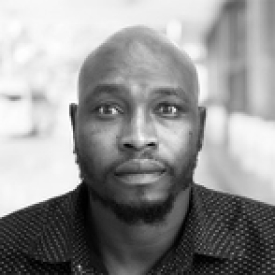
Prof Witness Maluleke
University of Limpopo
Prof Witness Maluleke has a Doctor Technologiae (DTech): Policing from Tshwane University of Technology [TUT] (2016). He is the rated Y2 researcher (Rural Criminologist/Stock theft researcher) by National Research Foundation (NRF); his research interest is confined to ‘Agricultural crimes,’ focusing on stock theft. He is a senior lecturer attached to the Department of Criminology and Criminal Justice of the University of Limpopo, South Africa. Prof Maluleke has received an international accolade for his research on innovating ways of combating stock theft in South Africa; he scooped the Emerging Scholar Award for his research on “Combating stock theft with Deoxyribonucleic Acid (DNA) samples and innovative technology in South Africa” during the 15th International Conference on Interdisciplinary Social Sciences, held in 2020 at the National and Kapodistrian University of Athens, Greece. His research focuses on complex and fascinating methods to help combat stock theft, as he believes that extracting DNA from crime scenes could help to effectively solve this crime. “DNA-based methods have the potential to provide considerable evidence resulting from physical matching, soil analyses and manure samples to establish individual identification, ownership, parentage verification and traceability or origin of vast species. As an emerging scholar in stock theft within the context of rural criminology, Prof Maluleke is confident that “his research niche area comes as a significant body of new knowledge in helping the South African Criminal Justice System (CJS), Law Enforcement Agencies (LEAs) and other relevant stakeholders by capacitating them through acquiring improved skills, methods, initiatives, interventions and techniques to deal with stock theft-related cases in rural environments by testing, verifying and revising classical nor conventional criminological and policing theories in the touted rural environments to police this scourge and adequately identify related challenges. Equally, stock theft, as a rural crime, has over the years either been under researched or not been researched in any depth by academics, researchers and scholars in the fields of Criminology and Criminal Justice, Forensic and Criminal Investigation Science, and Policing” he affirmed.
Prof Avumile Mankahla
Walter Sisulu University
Prof Avumile Mankahla has a MBChB from the University of KwaZulu-Natal (1997) and further specialised in the Medicine-Dermatology at the Colleges of Medicine of South Africa (2005). His research focus is on the epidemiology of skin diseases in South African Blacks. He has established a nationally recognised tertiary academic Dermatology Department at Nelson Mandela Academic Hospital. Furthermore, his application for the usage of Dermatology pharmaceuticals for the institution was approved by the province allowing patients to have access to tertiary dermatology drugs. Furthermore, he has gained recognition in his field and has served as an external examiner as well as a moderator for various institutions.
Dr Samantha Govender
Sefako Makgatho Health Sciences University
Dr Samantha Govender, currently a senior lecturer and clinical head of Audiology at SMU, has a PhD in Communication Pathology –Audiology from the University of Kwa-Zulu Natal (2018). Her specialisation is in telehealth and is centered around computer-based technology in early detection, intervention, and ongoing monitoring of ear and hearing-related disorders. She has conceptualised the idea of an eHealth Teaching, Learning, and Research centre at SMU. If successfully implemented, this unit would be the first of its kind at any SA university. Furthermore, she has gained recognition in her field and has been a reviewer for journals and an external examiner as well as a moderator for various institutions.
Dr Jeremia Sefadi
Sol Plaatje University
Dr Jeremia Shale Sefadi is an academic, researcher, and senior lecturer in physical chemistry and polymer chemistry. Dr JS Sefadi has over 14 years of academic and research experience emanating from two universities and various interactions at both local and international platforms, professional membership, and internal and external academic citizenships. His professional involvement in the higher education sector has always been well-defined by active participation, willingness to reach greater heights, and knowledge-driven projects. Shale is currently the head of the department (HOD) of Physical and Earth Sciences at Sol Plaatje University. He is also a senate member, school management committee (SMC) member, school promotion committee (SPC) member, and school committee on research (SCR), including many review appointments for funding applications. With all present roles, his valuable contributions working together with colleagues, students and other key stakeholders are instrumental in advancing the institutional culture, goals, and targets and finding the possible solutions to many challenges affecting ordinary citizens, university and science communities alike.
Prior to joining SPU, Shale worked at the university of the Free State (UFS) as a junior lecturer and lecturer in the department of chemistry for almost eight years. He was instrumental in making meaningful contributions to the knowledge project growth path in teaching and learning space as well as a vital role in increasing the number of research and students’ graduation outputs. Shale obtained PhD in Polymer Science (2015), an MSc (2010) and BSc honours (2008) in polymer science, including a BSc degree in chemistry and physics (2007) from the University of the Free State. He has been awarded funding grants which include the NRF-Black academic advancement programme (BAAP), SPU multi-inter-trans-(MIT) disciplinary seed funding, NRF Thuthuka grant; Eskom –Tertiary Education Support Programme (TESP) grant; S&F – NRF/DST Innovation Scholarships & Fellowships Programme and the TATA scholarship award all to the value of R 2,184 000.00 million rands so far in his career. His recent successful application into the “Future Professors Programme (FPP) phase 2 cohort” is a testimonial to his commitment to knowledge projects and research innovation in the higher education landscape.
His fundamental research interests focused on polymer blends & nanocomposites, advanced nanostructured materials used in renewable energy, natural resources, and water and waste treatment technologies. He managed to author and co-author a number of research papers in peer-reviewed journals and book chapters. He also attended numerous local and international conferences as a keynote speaker, guest and invited speaker. Shale is currently supervising and co-supervising postgraduate students at honours and master’s levels.
Prof Lizanne Raubenheimer
Rhodes University
Prof Lizanne Raubenheimer has a PhD in Mathematical Statistics from the University of the Free State (2012) and is currently an associate professor in the Department of Statistics at Rhodes University. Her research field is in Bayesian statistics, focusing on the objective part of Bayesian statistics by looking at several non-informative priors for different cases in the binomial and Poisson distributions, Bayesian quality control for the p-chart, and Bayesian quality control for the c-chart. Her interest also extends into the field of reliability theory, focusing on accelerated life testing models. She has achieved a Y2 National Research Foundation (NRF) rating. She is the 2012 recipient of the Vice Chancellor’s Distinguished Teaching award at Rhodes University. She served on the executive committee of the South African Statistical Association (SASA) for 7 years, and is currently serving on the executive committee of the International Society for Bayesian Analysis Industrial Section (ISBA-IS). She is also currently a council member of the International Society for Business and Industrial Statistics (ISBIS).
Prof Gladys Kigozi
University of the Free State
Prof Gladys has an Interdisciplinary PhD in Health Systems Research and Psychology from the University of the Free State (UFS). Her doctoral research focused on facilitating factors and barriers to the uptake of Human Immunodeficiency Virus testing among tuberculosis (TB) patients in the Free State Province. She is the Principal Investigator on a collaborative project exploring TB patients’ experiences of common mental disorders. She is also a co-researcher on four other projects. The first project, a collaboration with UFS researchers, seeks to explore nurses’ well-being and coping during COVID-19. The second project, a collaboration with researchers from Makerere University Kampala (Uganda), the University of Antwerp (Belgium), and the UFS (South Africa), seeks to understand the role of community health workers as ‘foot soldiers in pandemic times. The third project, a collaboration with researchers from the Free State Department of Health and the World Health Organization, seeks to investigate the impact of COVID-19 on essential health services and health outcomes. The fourth project, a collaboration with UFS researchers, is a national survey on COVID-19 vaccine literacy and acceptability. She is a recipient of a grant from the Research Development and Innovation Programme under the auspices of the Department of Science and Innovation and the South African Medical Council and several other grants awarded by the National Research Foundation. She holds a C3 rating from the National Research Foundation.
Prof Jaishika Seedat
University of the Witwatersrand
Prof Jaishika Seedat is a speech-language therapist and audiologist with a PhD from the University of the Witwatersrand (2013). Her research focuses on dysphagia research, specifically dysphagia in adults with stroke, brain injury, degenerative disorders, and amongst the elderly. Dr Seedat received several awards, including the Vice-Chancellor Transformation Award (2019) and the award for significant contribution in teaching and learning in the Department of Speech Pathology and Audiology. Dr Seedat has successfully applied and received various external funding.
Prof Rachel Makungo
University of Venda
Prof Rachel Makungo is an NRF-Y2 rated researcher holds a PhD in Environmental Sciences (Hydrology and Water Resources) from the University of Venda. Her research interests are in the areas of surface water and surface water and groundwater hydrology, water resource systems analysis, water quality, hydrological modelling, climate change and adaptation. She has submitted a research study on synthesised natural coagulant (from indigenous plant material) for water purification for IP disclosure and provisional patenting at the University.
Prof Forget Mingiri Kapingura
University of Fort Hare
Professor Forget Mingiri Kapingura holds a PhD in Economics and a Master of Commerce in Economics from the University of Fort Hare. He also holds a Master of Philosophy in Development Finance from Stellenbosch Business School. His research interests are in Development Economics with a special focus on the role of the financial sector on the broader economy as well as its contribution to reducing poverty and inequality. He is a member of the Editorial Board of the Sriwijaya International Journal of Dynamic Economics and Business, which is indexed in the Directory of Open Access Journal (DOAJ). He is also the Managing Editor of Africa’s Public Service Delivery & Performance Review, which is a DHET-accredited journal. His research has been funded by the National Research Foundation, and he is currently a C3 NRF-rated researcher. Professor Kapingura was the recipient of the Emerging Researcher Award at both Faculty and Institutional levels in 2017 at the University of Fort Hare. He has supervised several Masters and PhD students at the University of Fort Hare and other Universities in South Africa and Zimbabwe. He has also served as a reviewer for several journals nationally and Internationally.
Prof Asanda Mditshwa
University of Kwa-Zulu Natal
Prof Asanda Mditshwa is a postharvest expert who holds a PhD in Horticultural Sciences from Stellenbosch University. He is NRF-Y2 rated scholar whose research interests are on postharvest physiology and technology with a special interest in finding effective non-chemical technologies for preserving quality and extending shelf-life. Prof Mditshwa’s research has been published in peer-reviewed international journals. He reviewed articles for various publishing houses, including Wiley-Blackwell, Springer, and Elsevier. He was awarded research grants from various organisations, including the National Research Foundation (NRF), Postharvest Innovation Fund (PHI), Hortgro Sciences and South African Mango Grower’s Association (SAMGA).
Prof Martha (Martie) Bradley
University of Johannesburg
Martha M Bradley is an Associate Professor in the Department of Public Law, Faculty of Law, University of Johannesburg, where she is the course coordinator for the LLM International Law offering. She specializes in Public International Law and International Humanitarian Law – specifically, the law of conflict classification and the synergy between International Humanitarian Law and International Criminal Law. Professor Bradley is a Y1 National Research Foundation-rated Scholar. This rating relates to a young researcher (within 5 years from PhD) who the reviewers recognise as having the potential (demonstrated by research products) to establish him/herself as a researcher and with an indication that he/she has the potential to become a future leader in his/her field. She is also a recipient of the NRFs Y-Rated Researchers’ Grants for 2023. She has published in leading international scholarly journals on conflict classification, including Bradley, M ‘Additional Protocol II: Elevating the minimum threshold of intensity’ International Review of the Red Cross, (2021) 102 (915), 1125–1152 and Bradley, M “Classifying Non-International Armed Conflicts: The ‘Territorial Control’ Requirement under Additional Protocol II in an Era of Complex Conflicts” Journal of International Humanitarian Legal Studies 11 (2020) 349-384. Professor Bradley frequently teaches in the annual advanced course on International Humanitarian Law at the International Institute for Humanitarian Law in San Remo. She serves as an external expert at the Centre for International Humanitarian- and Operational Law at Palacky University, Olomouc, Czech Republic. Professor Bradley is furthermore a member of the Editorial Advisory Board of the Max Planck Yearbook of United Nations Law. Professor Bradley is currently working towards her monograph with HART publishing titled ‘Non-International Armed Conflict: Classification and Controversies’.
Dr Bongekile Yvonne Charlotte Mvuyana
Mangosuthu University of Technology
Dr Mvuyana has a PhD in Public Administration from the University of KwaZulu-Natal (UKZN) obtained in 2019. She is a Senior Lecturer in the Department of Public Administration and Economics at MUT. Her research focuses on human settlements and service delivery. Her research aims at contributing to bringing solutions in human settlements issues surrounding reforms in housing development in a developmental state such as South Africa. She has participated in National and International conferences focusing on human settlements strategies that can be adopted in developing the capacity for local governance aimed at improving the quality of life of citizens, which is essential for achieving Sustainable Development Goals (SDG).
Prof Zayd Waghid
Cape Peninsula University of Technology
Prof Waghid holds a PhD in Education Policy Studies from Stellenbosch University obtained in 2014. He is an Associate Professor in the Department of Senior Phase and Further Education and Training in the Faculty of Education at CPUT. Prof Waghid recently acquired a Y-rating from the National Research Foundation (NRF). His research interests are in social justice focusing on critical and democratic teaching and learning supported by educational technology. He has co-authored four books with international publishers, namely Sense publishers and Palgrave-MacMillan. Prof Waghid obtained the prestigious CHE-HELTASA National Teaching Excellence Award in 2019 for his contributions to teaching excellence. Prof Waghid presented at numerous local and international education conferences, including the largest education conference globally, namely the American Education Research Association Conference hosted in San Antonio Texas, in 2017, New York in 2018, and Toronto in 2019.
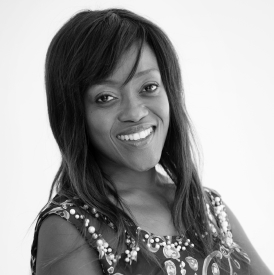
Prof Nokwanda Pearl Makunga
Stellenbosch University
Prof Makunga has a PhD in Plan Molecular Biology from the University of KwaZulu-Natal obtained in 2003. She is an Associate Professor in the Department of Botany and Zoology at the University of Stellenbosch. Her research focuses on eco-metabolomics, systems biology, natural products, and plant biotechnology with medical plants from the greater Cape Floristic Regions as the target species to serve both academic scholarship and a growing natural products industry in South Africa that is intricately linked to the bioeconomy of this country. In 2011, she was awarded the National Science and Technology Forum (NSTF) Annual Award under the category Distinguished Young Black Researcher (Female). She was awarded the TW Kambule NRF award in 2010/11. Prof Makunga is a founding member of a social media movement, initiated in 2020 to promote diversity and inclusion in botany and highlight the participation of Black, Indigenous and People of Colour in plant related activities, even for those that are not formally trained.
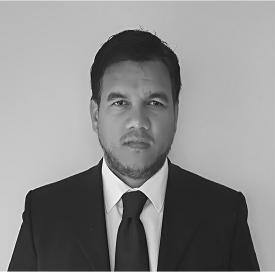
Prof Muneer Abduroaf
University Western Cape
Prof Muneer Abduroaf is a Senior Lecturer in the Department of Private Law at the University of the Western Cape (UWC), where he teaches Law and Succession and Family Law. He is an Attorney of the High Court of South Africa, an Arabic Sworn Translator of the High Court of South Africa, and an Imaam Marriage Officer for the Department of Home Affairs. Dr Abduroaf further serves as one of the officiating Imaams at Masjidur-Raoof in Highlands Estate and is also a member of the Muslim Judicial Council (SA) Fatwa Committee, where he sits as one of the Shariah Court ad hoc judges. In 2019, Dr Abduroaf was appointed as a Commissioner for the Commission for the Promotion and Protection of the Rights of Cultural, Religious, and Linguistic Communities (CRL Rights Commission) by the President of South Africa, Cyril Ramaphosa. Prof Abduroaf’s research focuses on the application of Islamic law in Muslim minority countries. He received a Community Engagement Individual Award from the Deputy Vice-Chancellor at the UWC Achievers’ Awards Virtual Ceremony in 2020
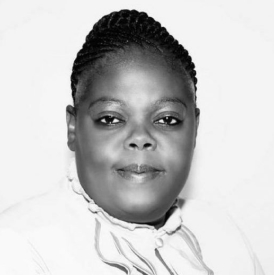
Prof Thokozani Xaba
Vaal University Technology
Prof Xaba holds a DTech in Chemistry from the Vaal University Technology obtained in 2017. She is an Associate Professor in the Department of Chemistry at VUT. Her current research focuses on the synthesis of nanomaterials, preparation of thin films for solar cells application, polymer nanocomposites as adsorbents for water treatment. Prof Xaba received: two best poster presenter awards in 2014 and 2017 at the 5th & 7th Green Chemistry Conferences in Durban & Moscow, Russia best oral presenter award in 2014 at the 5th Nano Africa conference, first prize in the Research Achievement Award category at the Faculty of Applied and Computer Sciences Research Awards
Prof Nonhlangabezo Mabuba
University of Johannesburg
Associate Professor Nonhlangabezo Mabuba earned her PhD in Natural Sciences at the Duisburg-Essen Universität Germany in 2010. She joined the Department of Chemical Sciences at the University of Johannesburg (UJ) in 2011. She is the Deputy Head of the Department of Chemical Sciences at the University of Johannesburg.
Prof Mabuba research has been supported by National Research Foundation (CSUR,DAAD,Thuthuka), Faculty of Science at UJ (URC/FRC) and Department of Science and Technology (Mintech NIC,NNPTTP). Her research field is in Electrochemistry, Environmental Analytical Chemistry and nanotechnology. Her research focuses on detecting water pollutants by applying nanomaterials in (bio)sensors and water treatment by using (bio)adsorbents and catalytic materials. She supervises postgraduate students (BTech, MSc and PhD) from various cultural backgrounds to utilize research in solving community problems. She collaborates with: local universities (University of Limpopo, Walter Sisulu University of Technology), international universities (Indian Institute of Technology Mandi, University of Rome “Tor Vergata”, Rome Italy, Unversity of Montpellier) and local companies and municipalities (Tupelovox (PTY) LTD, Perkin Elmer, Buffalo City Municipality and Tshwane Municipality) to bring development through science in South Africa. She is a researcher and the published authour that has an international visibility in the science community which is validated by an H-index of 13,
(https://scholar.google.co.za/citations?hl=en&user=b1GXi0kAAAAJ&view_op=list_works&sortby=pubdate).
She is affiliated with the following organisations as a member, International Network for Government Science Advice (INGSA), Organization of Women in Science in the Developing World (OWSD), South Africa Chemical Institute (SACI), South African Association for Mass Spectrometry (SAAMS) and Thermal Analysis Society of South Africa (ThermSA). Prof Mabuba and her postgraduate students received several awards from various organisations and institutions. Prof Mabuba is married with children.
Prof Precious Nokwethemba Mahlambi
University of KwaZulu Natal
Prof Mahlambi holds a PhD in Chemistry obtained from the University of The Witwatersrand. She is a Senior Lecturer in the School of Chemistry and Physics at the University of Kwa-Zulu of Natal. She is the leader of the Environmental Analytical Chemistry Research group and also a Director of studies at Pietermaritzburg campus. Her current research focuses on the assessment of environmental and food (fruits and vegetables) pollution by various compounds such as pharmaceuticals, ARV drugs, polycyclic aromatic hydrocaborns, pesticides and heavy metals. Dr Mahlambi is also involved in the synthesis and application of nanomaterials for biological applications, which makes her research interdisciplinary. Dr Mahlambi is also the the editorial board member for the Journal of Pesticide Science. Dr Mahlambi was granted the Pittcon 2020 travel grant by American Chemical Society to present her research at a conference in USA (Chicago) in March 2020.
Dr Juanita van Wyk
University of the Witwatersrand
Dr van Wyk is a Chemist with a PhD in Chemistry from the University of the Western Cape (2008). She is a Senior Lecturer in the School of Chemistry at the University of the Witwatersrand. Her research focuses on inorganic synthesis and homogenous catalysis. Dr van Wyk built a synthesis lab from scratch and acquired reactor and analytic equipment for producing high quality research. Dr van Wyk was offered a postdoctoral position in Brazil at the Universidade Federal do Rio Grande do Sul in May 2011. She is currently engaged in research focusing on transition metal catalysts for various organic transformations. The objective is to develop catalysts for a greener sustainable chemical industry by developing catalysts which are recyclable and can utilise renewable feedstocks for the preparation of material and chemicals that are more environmentally benign.
Dr Portia Pearl Siyanda Sifolo
Tshwane University of Technology
Portia Pearl Siyanda Sifolo is a Y2 National Research Foundation (NRF) rated researcher. She completed her Doctorate in Business Administration at the University of KwaZulu Natal (UKZN), which focused on the nexus between supply chain management and stakeholder management for the balanced and optimal growth of the tourism sector. In 2017, she received an Institutional Award as a Researcher in Training of the Year (Female) at Tshwane University of Technology. In 2021/2022, she won the Faculty of Management Sciences researcher of the year (Female).
She serves as the Africa Tourism Partners (ATP) expert for Africa Youth in Tourism Innovation Summit & Challenge in the British Council’s Innovation for African Universities programme in 2021-2023, focusing on Accelerating Youth Entrepreneurship and Innovation for Sustainable Tourism in Africa.
She served as a PhD workshop coordinator at the ENTER23 conference organised by the International Federation for Information Technology and Travel & Tourism. She was an adjudicator for the National Tourism awards hosted by the National Department of Tourism in South Africa from 2015-2019. She is affiliated with the International Journal on Tourism & Sustainability in 2022, Tourism Planning and Development (TPD) 2022-2024 as a board member. She also is a committee member of the Tourism Private Sector Alliance (ATPSA).
She has a passion for leadership in tourism and digitalisation within the tourism supply networks in the SADC region as economic development initiatives. Her scientific interests include digital procurement of tourism establishments in Africa. She has co-authored different books, published research papers in academic journals, and participated in both domestic and international conferences. She is invited as a keynote speaker at the 12th International Conference on ‘Sustainable Tourism & Development: Risks and opportunities in uncertain times’ in October 2023. She has a wealth of experience and prodigious knowledge in the tourism sector. She is currently a senior lecturer for Tourism Strategic Management, Business Leadership, and Tourism Entrepreneurship subjects in the Department of Tourism Management at the Tshwane University of Technology.
Prof Olga de Smidt
Central University of Technology
Prof Olga de Smidt is a Research Scientist and the Deputy Director of the Centre for Applied Food Sustainability and -Biotechnology (CAFSaB). She holds a PhD in Biochemistry from the University of the Free State (2007) and has 14 years’ experience doing multidisciplinary research in Environmental and Food Microbial Ecology. Dr De Smidt leads the Food Industry Effluents Characterisation research initiative, funded by the NRF, and focuses on the diversity and functionality of microbiomes from food industry effluents. She also oversees the Unit for Brewing and Functional Fermentations called CUTbrU Beer Lab at CUT. The CUTbrU Beer Lab initiative established a product development value chain called “Malt2Moolah” which was awarded the Vice Chancellor’s excellence award for innovation in 2020.
Prof Mathabo Khau
Nelson Mandela University
Professor Khau is an Associate Professor in the Faculty of Education at the Nelson Mandela University with a PhD from the University of Kwa-Zulu Natal in 2010. She is the co-Editor-in-Chief for Educational Research for Social Change- an Online Journal. She is a 2010 GEXcel International Collegium Research fellow with the Universities of Linköping and Örebro, Sweden, and a 2017 Nordic Africa Institute Research fellow. She received the 2020 Faculty of Education Researcher of the year award. Her research focuses on using participatory visual methodologies in addressing gender, sexuality, and HIV&AIDS issues and integrating HIV&AIDS into higher education curricula. Her science education (Biology and Chemistry) background and interest in inclusive education provide a framework for the inclusion of marginalised people using ‘intersectionality’ and ‘research as social change’ frameworks.
Prof Aurelia Alvina Williams
North-West University
Prof Aurelia Williams holds a PhD in Biochemistry from the University of Pretoria (2012). She subsequently pursued postdoctoral training at the University of California, San Francisco (UCSF) where she investigated the impact of certain genetic factors on brain tumour metabolism and growth. This training advanced her skills in the then-fledging field of metabolomics. Prof Williams is an associate professor at the North West University’s Biochemistry department (Potchefstroom campus), where she established an HIV research program. She forms part of a rare group of scientists in South Africa who apply metabolomics approaches to infectious and acquired diseases. Her objective is to produce not only graduates & research outputs but translatable solutions which can impact lives directly. Her research is supported by the National Research Foundation’s (NRF’s) Thuthuka award for the 2018-2020 and 2021-2023 cycles, respectively. Dr Williams is a member of several scholarly related societies/organizations i.e. Metabolomics South Africa (MSA), the South African Society of Biochemistry & Molecular Biology (SASBMB) and the International Society for Infectious Diseases (ISID). At the NWU she serves on the Postdoctoral Sub-Committee of the Faculty of Natural and Agricultural Sciences: Research and Innovation as well as a reviewer for the NRF. Her research has yielded internationally reviewed publications, several awards, and invitations to attend both national and international workshops as well as conferences. In 2019, she was recognized as one of Mail & Guardian’s Top 200 Young South Africans. In 2021, she was one of twelve recipients to receive the NWU’s Open Educational Resources Fellowship. Dr Williams advocates for the development of youth, more especially, women in Science, by delivering motivational speeches at schools and elsewhere as well as participating in mentoring programmes, encouraging the youth to take up science, technology, engineering and mathematics (STEM)-related courses and careers.